
Best Materials for Erosion Control: River Rock, Cobblestone, or Gravel?
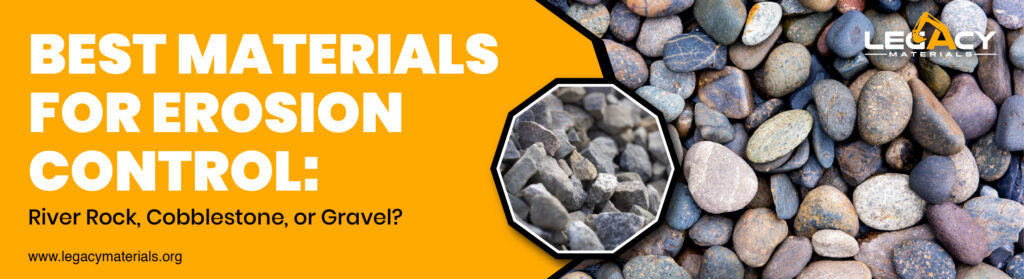
Erosion can quietly undermine the stability, appearance, and value of any property. Whether you’re managing a residential landscape, commercial development, municipal project, or construction site, uncontrolled water runoff can lead to soil loss, drainage issues, damaged foundations, and expensive repairs.
Selecting the right erosion control materials is one of the most effective ways to protect your investment while maintaining proper drainage and long-term landscape performance. Among the most commonly used landscape aggregates, river rock, cobblestone, and gravel each offer distinct advantages depending on the site’s terrain, water flow, and design objectives.
This guide compares popular erosion-control stone options to help homeowners, contractors, landscapers, developers, and property managers determine which material best fits their erosion-control needs.
In This Blog:
Why Material Choice Matters – Learn how the right aggregate improves drainage and prevents erosion.
Compare River Rock, Cobblestone & Gravel – Explore the strengths, ideal uses, and limitations of each material.
Choose the Best Material for Your Project – Find the right solution based on terrain, water flow, appearance, and budget.
Discover When to Combine Materials – See how layered aggregates can improve both performance and aesthetics.
Source Quality Aggregates with Confidence – Learn what to look for in a reliable aggregate supplier for long-lasting results.
Why Choosing the Right Erosion Control Material Matters
Effective erosion control goes beyond preventing soil from washing away. The right aggregate improves drainage, enhances landscape durability, and minimizes ongoing maintenance while supporting your property’s overall functionality.
Choosing the appropriate material helps:
- Prevent soil erosion and washouts during heavy rainfall.
- Improve water drainage and reduce standing water.
- Protect foundations, retaining walls, and surrounding landscaping.
- Reduce long-term maintenance and repair costs.
- Enhance curb appeal with natural, attractive finishes.
- Extend the lifespan of outdoor infrastructure and landscape features.
Different projects require different solutions, making it important to understand where each aggregate performs best.
River Rock: Best for Decorative Drainage Solutions
River rock combines functional drainage with a polished, natural appearance, making it one of the most popular choices for residential and commercial landscapes.
Because these stones are naturally rounded by flowing water, they allow water to move freely while creating attractive landscape features.
Ideal Applications
River rock works well for:
- Dry creek beds
- Around downspouts
- Garden beds
- Pond and water feature borders
- Gentle slopes
- Decorative drainage channels
Benefits
River rock offers several advantages for erosion control and landscaping:
- Smooth, rounded appearance enhances landscape aesthetics.
- Excellent water flow and drainage.
- Low-maintenance landscaping solution.
- Available in a variety of sizes and natural colors.
- Helps reduce soil displacement in areas with moderate runoff.
- Blends naturally with surrounding landscapes.
Many contractors also choose river rock for drainage projects where appearance is just as important as performance.
Considerations
Although highly versatile, river rock isn’t ideal for every application.
Consider that:
- Stones may shift on steep slopes without proper edging.
- Better suited for moderate erosion control than areas with fast-moving water.
- May require landscape fabric underneath to prevent weed growth and settling.
Cobblestone: Best for Heavy-Duty Erosion Protection
When projects require maximum stability, cobblestone provides superior protection against aggressive water movement.
Larger and heavier than river rock, cobblestones resist displacement even during heavy runoff, making them ideal for demanding erosion-control applications.
Ideal Applications
Cobblestone performs exceptionally well in:
- Creek banks
- Shorelines
- Steep slopes
- Retaining wall accents
- Water features
- Drainage channels with high water velocity
Benefits
Cobblestone offers outstanding durability and long-term performance:
- Large, heavy stones resist movement.
- Excellent durability under harsh weather conditions.
- Strong protection against heavy water flow.
- Creates natural-looking landscape features.
- Long service life with minimal maintenance.
For projects involving slope erosion control, cobblestone is often preferred because of its ability to remain stable under continuous water exposure.
Considerations
Cobblestone’s performance comes with a few trade-offs.
Keep in mind:
- Higher material costs than smaller aggregates.
- Installation typically requires more labor.
- Heavy stones may require placement equipment.
However, for high-risk erosion areas, these additional costs are often offset by reduced maintenance and longer-lasting protection.
Gravel: Best for Functional Drainage and Large Coverage Areas
Gravel remains one of the most practical and economical construction aggregates for drainage and erosion control.
Available in numerous sizes and specifications, gravel offers flexibility across residential, commercial, and infrastructure projects.
Ideal Applications
Gravel is commonly used for:
- French drains
- Driveways
- Utility areas
- Drainage trenches
- Construction projects
- Foundation drainage systems
Benefits
Gravel continues to be a preferred choice because it provides:
- Cost-effective coverage for large areas.
- Excellent drainage performance.
- Quick and easy installation.
- Multiple size options to match project requirements.
- Effective water filtration and movement.
Many drainage systems rely on drainage gravel because it promotes efficient water movement while helping prevent soil saturation.
Considerations
Gravel offers excellent functionality but may require additional planning for certain projects.
Potential limitations include:
- Less decorative than river rock or cobblestone.
- Smaller gravel may migrate without edging or containment.
- May require periodic replenishment in high-traffic areas.
Comparing Erosion Control Materials: River Rock vs. Cobblestone vs. Gravel
Each aggregate performs differently depending on site conditions and project goals.
| Feature | River Rock | Cobblestone | Gravel |
| Erosion Control Effectiveness | Moderate | Excellent | Good |
| Drainage Performance | Excellent | Very Good | Excellent |
| Aesthetic Appeal | Excellent | Excellent | Moderate |
| Maintenance Requirements | Low | Very Low | Moderate |
| Installation Complexity | Easy | Moderate to High | Easy |
| Best Uses | Decorative drainage, garden beds, dry creek beds | Creek banks, steep slopes, shorelines | French drains, driveways, drainage systems, construction |
Understanding these differences helps project owners balance performance, appearance, and budget when selecting erosion control stone.
Factors to Consider Before Choosing a Material
No single aggregate works best for every project. The ideal solution depends on several site-specific factors.
Slope and Terrain
Steeper slopes require larger, heavier materials that resist movement, while flatter landscapes often benefit from smaller decorative aggregates.
Water Flow Intensity
Areas experiencing heavy runoff or frequent flooding need aggregates capable of withstanding higher water velocities without shifting.
Residential vs. Commercial Applications
Residential landscaping often prioritizes appearance alongside performance, while commercial developments and public infrastructure typically focus on durability and long-term reliability.
Desired Appearance
Natural stone color, texture, and size all influence the final landscape design. River rock typically provides the most decorative finish, while gravel emphasizes functionality.
Budget
Project size significantly affects material costs. Gravel often provides the most economical option for large-scale coverage, while cobblestone represents a larger upfront investment for demanding applications.
Long-Term Maintenance
Selecting materials that remain stable over time reduces future maintenance, repairs, and replacement costs.
Can You Combine Materials?
In many cases, combining different landscape aggregates delivers better performance than using a single material alone.
Layered aggregate systems improve drainage, increase stability, and create more visually appealing landscapes.
Common combinations include:
River Rock with Cobblestone Borders
Cobblestone provides structural stability while river rock creates an attractive drainage channel.
Gravel Beneath Decorative Stone
Using drainage gravel as a base layer improves water movement while decorative stone finishes the surface.
Multiple Stone Sizes for Layered Erosion Control
Combining larger and smaller aggregates creates stronger erosion resistance while minimizing material movement during heavy rainfall.
Thoughtfully designed aggregate combinations often maximize both functionality and curb appeal.
Partner with a Supplier Who Understands Your Project
Even the best erosion control design depends on high-quality materials.
Working with an experienced aggregate supplier helps ensure your project receives materials that meet both performance and scheduling requirements.
Look for a supplier that provides:
- Consistent aggregate sizing for predictable performance.
- Reliable inventory availability.
- DOT-certified materials where applicable.
- Expert recommendations based on project requirements.
- Timely delivery that keeps construction and landscaping projects on schedule.
Experienced suppliers can also recommend the appropriate aggregate sizes and material combinations for specific drainage, erosion control, and landscaping applications.
Choose the Right Erosion Control Materials for Long-Lasting Protection
There isn’t a one-size-fits-all solution for erosion control. River rock offers decorative appeal and effective drainage, cobblestone provides maximum stability for high-impact areas, and gravel delivers economical performance for drainage and large-scale applications.
Choosing the right material or the right combination can help protect your property from erosion, improve drainage, reduce maintenance, and create an attractive, long-lasting landscape.
Whether you’re planning a residential landscape, a commercial development, or a construction project, selecting high-quality materials from a trusted supplier is the foundation of effective erosion control.
Get the Right Materials for Your Erosion Control Project
Whether you’re protecting a residential landscape, commercial development, or infrastructure project, choosing the right aggregates is the first step toward long-lasting erosion control. Legacy Materials supplies high-quality, Iowa DOT-certified materials backed by expert recommendations and dependable service to help keep your project on track.
Ready to get started? Submit a Bid Request today or contact our team to discuss the best erosion control materials for your project.
FAQs
1.What is the best material for erosion control?
The best erosion control material depends on your site’s terrain, water flow, and project goals. River rock works well for decorative drainage, cobblestone provides excellent stability in high-flow areas, and gravel offers an economical solution for drainage and large-scale coverage.
2.Is river rock or gravel better for drainage?
Both materials provide excellent drainage, but they serve different purposes. River rock is often chosen when appearance is important, while gravel is commonly used in French drains, foundation drainage, and other applications where efficient water movement is the primary goal.
3.When should I use cobblestone for erosion control?
Cobblestone is well suited for creek banks, shorelines, steep slopes, and other areas exposed to heavy water flow. Its larger size and weight help it remain stable in demanding erosion-control applications.
4.Can different erosion control materials be used together?
Yes. Many contractors combine river rock, cobblestone, and gravel to improve drainage, increase stability, and create a more attractive finished landscape. Layering materials often provides better performance than using a single aggregate alone.
5.How do I choose the right aggregate size?
The ideal aggregate size depends on factors such as slope, drainage requirements, expected water flow, and the intended application. An experienced aggregate supplier can recommend the most appropriate material and size for your project.
6.Are Iowa DOT-certified aggregates required?
Some commercial, municipal, and infrastructure projects require Iowa DOT-certified materials to meet project specifications. Working with a qualified supplier helps ensure you receive aggregates that meet applicable standards.
7.Why work with Legacy Materials?
With decades of experience supplying high-quality aggregates for residential, commercial, and infrastructure projects, Legacy Materials provides dependable products, expert recommendations, Iowa DOT-certified materials where applicable, and reliable delivery to help customers complete projects with confidence.